By a Birder Who Can’t Get Enough of These Glittery Gossip Birds
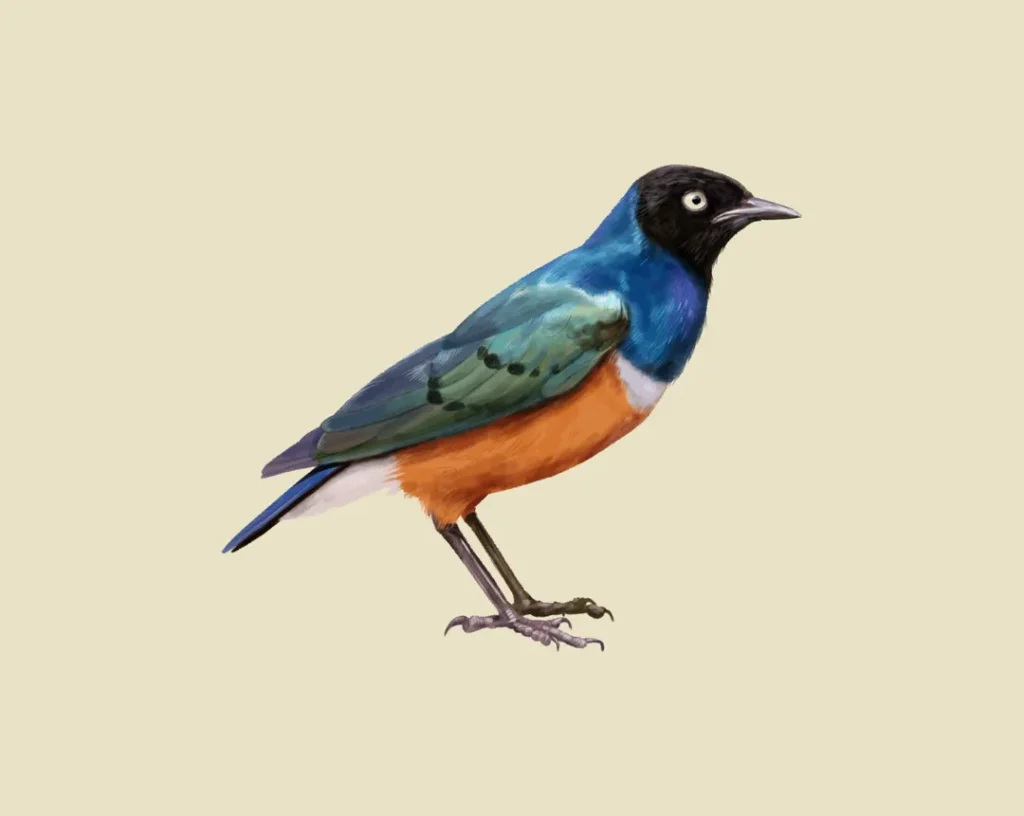
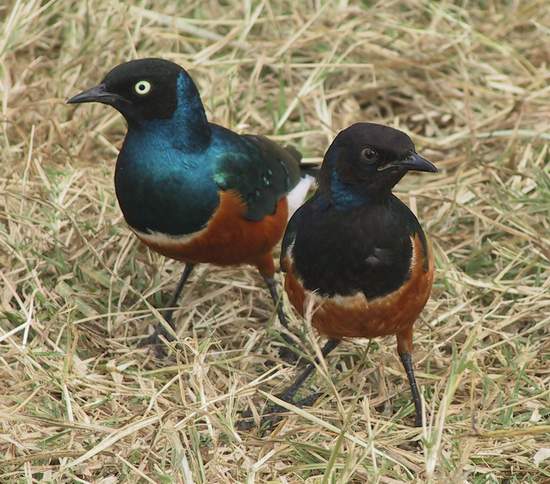
If you’ve ever been to Tanzania (or even just watched The Lion King on repeat), you might have seen a bird that looks like a rainbow exploded on it. Iridescent blue-green head, shiny back, bright orange belly, and a crisp white chest band. That’s the superb starling – and yes, its name is totally justified. It’s superb.
But here’s what nobody tells you: these flashy little birds live out a soap opera every single day. We’re talking cheating, divorce, family drama, and team babysitting all while looking absolutely fabulous.
Let’s dive into the juicy secrets of the savanna’s most colorful troublemakers.
First, Meet the Superb Starling (aka the Gossip Bird)
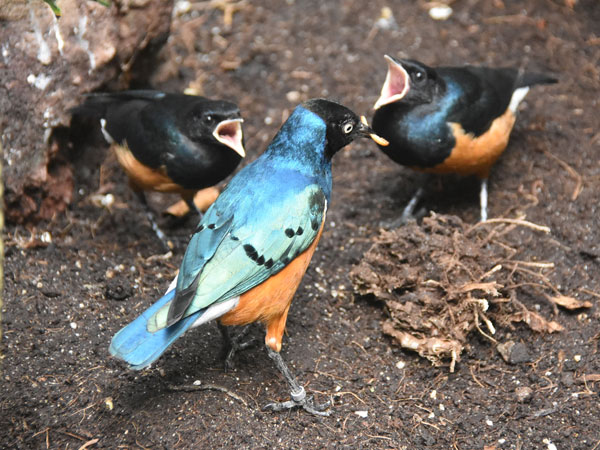
Superb starlings live in Tanzania and other parts of East Africa. They’re about the size of a robin, but way more stylish. And they’re loud. Like, really loud. Their calls sound like metallic shrieks mixed with happy giggles.
But here’s what makes them special: they live in huge, noisy families of up to 40 birds. And inside those families, things get complicated fast.
The “Cheating for Chicks” Strategy (Yes, Really)
Okay, let’s talk about the tea. Scientists at Cornell University (and a super cool researcher named Dustin Rubenstein) discovered that female superb starlings cheat on their mates. But not for the reasons you might think.
It’s not because they’re bored. It’s not because they “fell in love” with someone else. They cheat to help their babies survive.
Strategy 1: Cheat to Get a Free Babysitter
Some females sneak off with a lower-ranked male from inside their own group. Why? Because after the sneaky hookup, that lower-ranked guy often becomes a helper – bringing food to the nest, defending the chicks, and basically acting like an unpaid nanny.
Think of it like this: if you were a single mom bird and you could get a neighbor to bring you chip mayai every day just by winking at him… wouldn’t you consider it?
These extra helpers mean more food for the chicks, and more surviving babies. That’s a direct benefit – real, immediate help.
Strategy 2: Cheat to Get Better Genes
Other females cheat with males from outside the group – complete strangers. These females usually have a “husband” who is too closely related to them (genetically similar). By mixing with an outsider, their chicks end up with more genetic diversity – which usually means healthier, stronger babies.
No extra babysitter this time. Just better DNA. That’s an indirect benefit – it pays off later when the chicks grow up tough.
So basically, female superb starlings have two different cheating playbooks, and they pick the one that fits their situation. That’s not being “bad” – that’s being smart.
Wait, But They Don’t Cheat THAT Much
Here’s the funny part. In most bird species that live in big family groups, about 40–60% of chicks are from secret affairs. But in superb starlings? Only about 10–14%. That’s pretty low!
So they’re not total cheaters. They just have the option to cheat when it makes sense. Think of it like having a emergency credit card – you don’t use it every day, but you’re glad it’s there.
Divorce Is Also a Thing (Sorry, Bird Couples)
Yes, superb starlings get divorced. About 45% of them switch partners at some point. Sometimes they break up between breeding seasons. Sometimes they break up during a season – like a really awkward spring break.
But here’s the twist: when they divorce, both birds usually stay in the same social group. So they have to see each other every day. Awk-ward.
Some pairs stay together for years even if they never raise a single chick. Others split after one bad season. Scientists are still trying to figure out why – maybe personality, maybe just bird drama.
The Babysitter Club (But Make It Bird)
Superb starlings are what scientists call cooperative breeders. That’s a fancy way of saying: lots of birds help raise the babies, not just the parents.
In fact, a single nest can have up to 14 helpers bringing food and chasing away predators. Most of these helpers are older brothers, sisters, or other relatives. But some are unrelated birds who just… help.
“Why do they help if the chicks aren’t theirs?”
Great question! One reason: by helping their siblings survive, they’re still passing on family genes. Another reason: sometimes helping is the only way to be allowed to stay in the group. And staying in the group is safer than going out alone.
Plus, helpers get practice for when they have their own babies someday. It’s like bird internship.
Life Is Hard When You’re a Baby Starling
Okay, reality check. Even with all this help, most superb starling chicks do not survive.
Out of 2,549 eggs studied over 13 years, only 13% made it to become flying fledglings. That’s rough. Predators are everywhere: snakes, baboons, squirrels, genets (a cat-like thing), and even other birds.
So every little bit of help – every extra worm brought to the nest, every alarm call that scares off a snake – can mean the difference between life and death. That’s why cheating for a helper or a better gene mix actually makes evolutionary sense.
Rain, Rain, Go Away… Or Not
The biggest force in a superb starling’s life isn’t another bird – it’s rain. Tanzania’s weather is super unpredictable. Some years are wet, some are super dry. The dry years are stressful.
When it’s dry, birds fight more. Stress hormones go up. Helpers work harder. And moms even adjust the sex of their chicks – more males in dry years, more females in wet years. (Scientists have a whole theory about why, but the short version is: moms are smarter than we think.)
When it’s wet, groups get bigger, more birds breed for the first time, and life is generally better.
So the whole “living in a big family with helpers” thing might be a bet-hedging strategy – like not putting all your eggs in one basket (literally). Even if some years are terrible, having helpers means you’re less likely to lose everything.
Why You Should Care About This Glittery Gossip Bird
Superb starlings aren’t just pretty. They’re a lesson in how animals solve problems – with teamwork, strategy, and sometimes a little sneakiness. They show us that “family” doesn’t have to mean just mom and dad. It can mean cousins, neighbors, and even strangers who learn to get along.
And in a world where the weather is getting crazier every year (thanks, climate change), these birds might teach us something about resilience: stick together, help each other, and sometimes, cheat a little – if it helps the kids survive.
Final Feathered Thought
Whether you meet a superb starling in the Arusha savanna, watch a documentary about them, or dream of raising one in a big aviary someday, remember: they’re not just a pretty face. They’re smart, dramatic, cooperative, and just a tiny bit scandalous.
And honestly? That’s what makes them superb.