What is Forest Bathing?
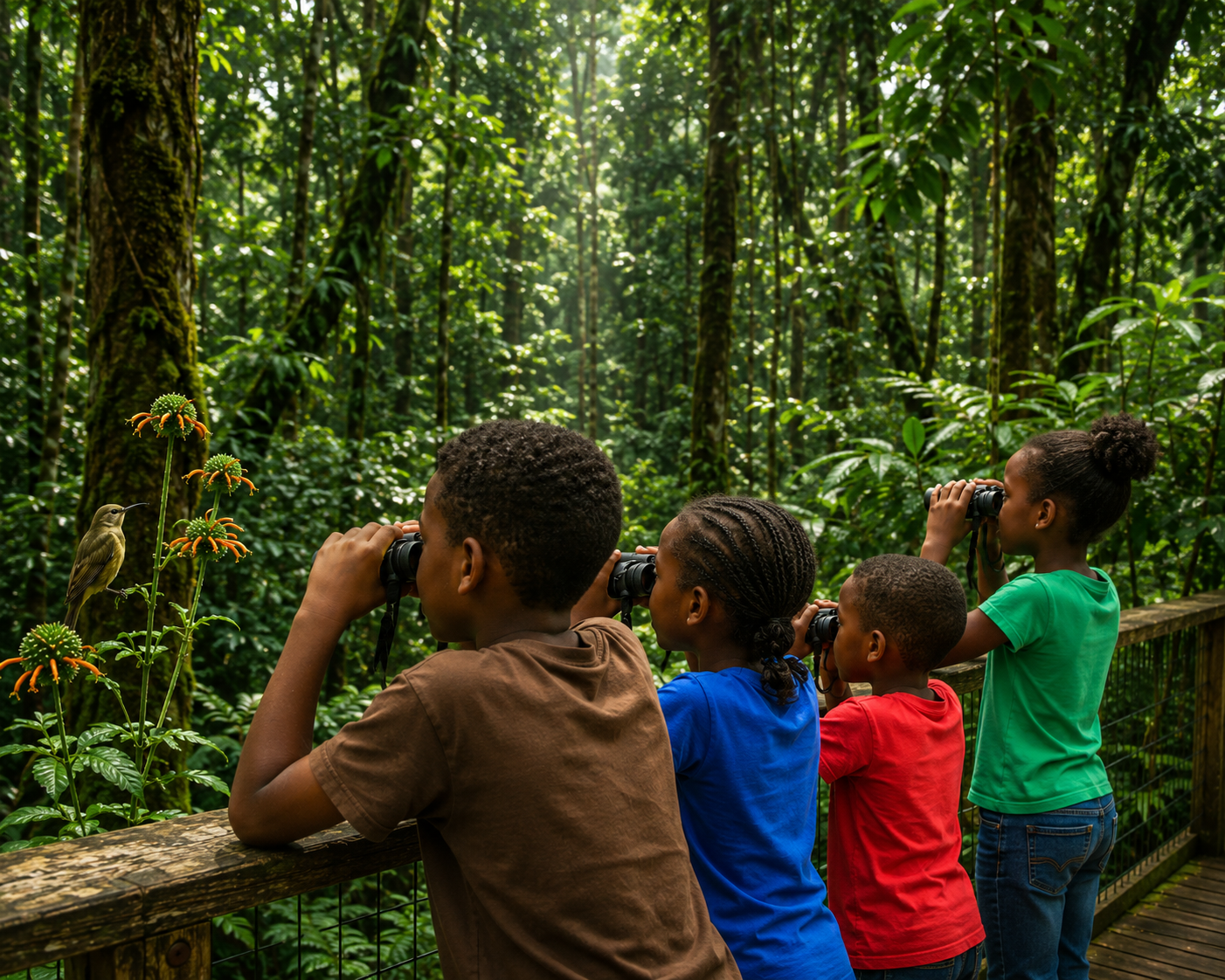
Forest bathing (or Shinrin-yoku, a term that originated in Japan) is the practice of immersing yourself in nature in a mindful way, using your senses to soak in the forest atmosphere. Born from a long tradition of finding healing in nature, it’s less about exercise and more about connection.
The Science of the Senses
But this isn’t just about feeling good. Scientific research has shown that forest bathing can produce measurable benefits for both your mental and physical health. A 2026 meta-analysis confirmed that spending time mindfully in a forest environment can lead to a reduction in heart rate, as well as decreased feelings of tension and depression. The practice can also lower stress levels, boost your immune system, and improve your sleep and concentration. Among the oldest ways of healing, it’s now backed by modern science.
Why Meru Forest is the Ultimate Sanctuary
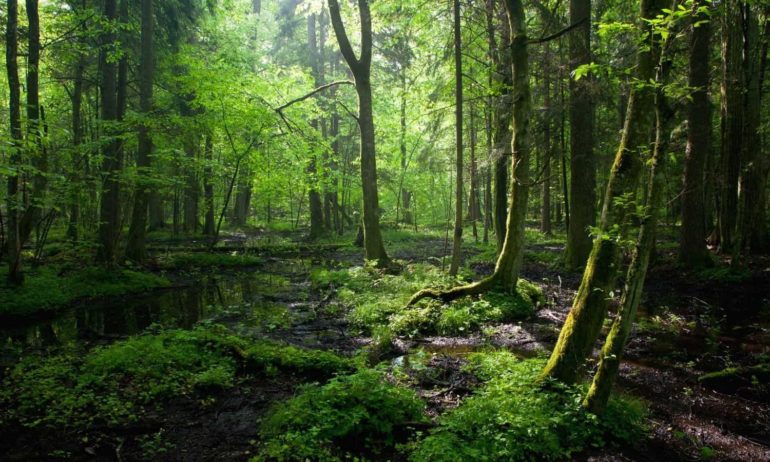
While the name “Meru” might be familiar from Kenya’s Meru County, the forest bathing experience we’re highlighting takes place in the enchanting Meru‑Usa Nature Forest Reserve, a lush montane forest on the slopes of Mount Meru near Arusha city in northern Tanzania.
This forest is a true hidden gem for several reasons:
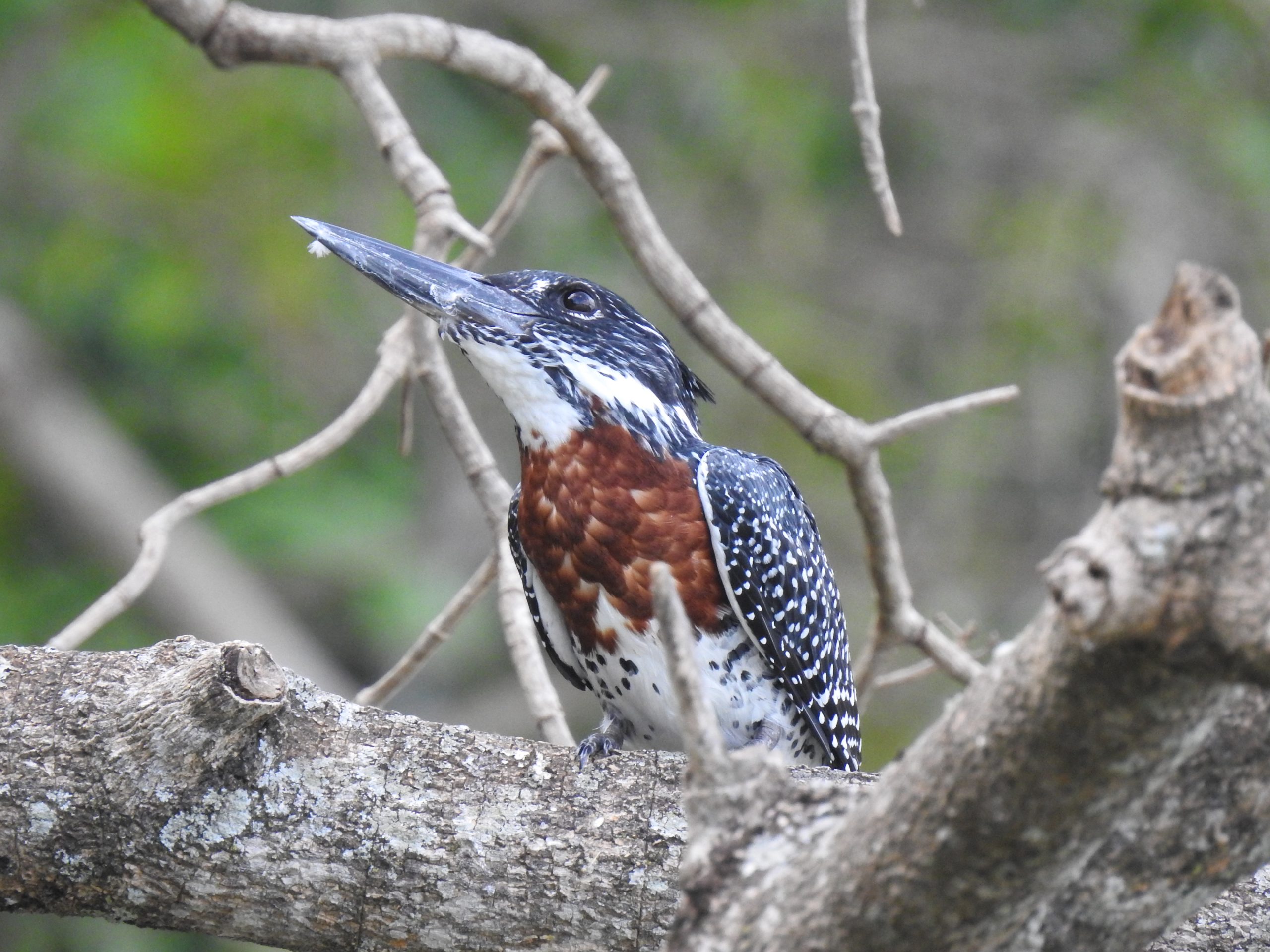
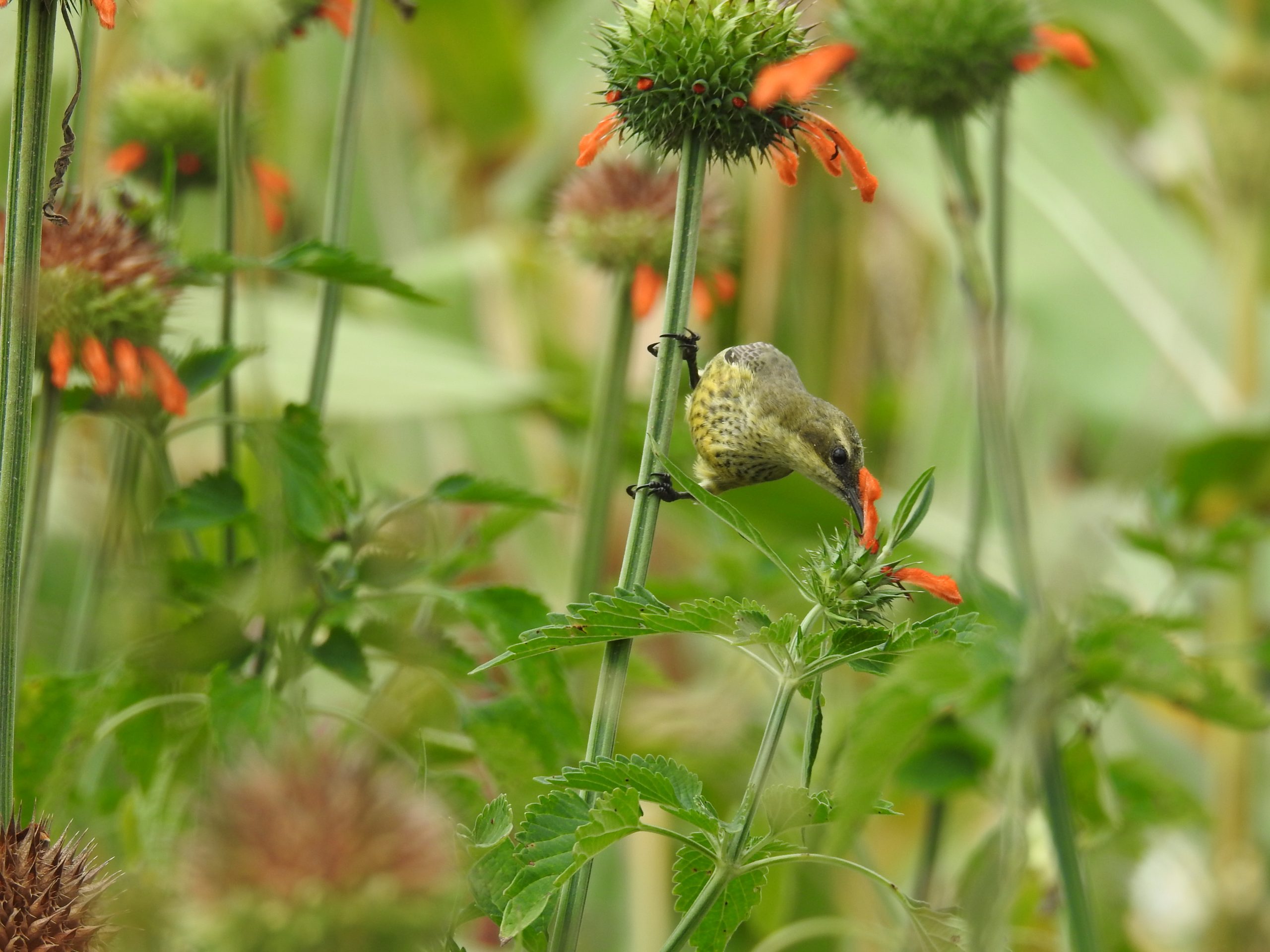
- A Sensory Overload of Nature: As you walk among the tall trees and cascading streams, you’ll hear the chorus of over 300 bird species. It’s a symphony of nature that instantly calms the mind.
- Wildlife Encounters: You might spot a troop of colobus monkeys or olive baboons moving through the treetops, a gentle reminder of the vibrant life that thrives around you.
- The Sounds of Water: The forest is home to the stunning 78-metre Napuru Waterfall, a serene spot where the sound of rushing water is the ultimate form of relaxation.
- Aromatic Phytoncides: The forest is filled with the natural aromatic compounds released by the trees. These phytoncides are part of what gives a forest its healing properties.
What to Expect During a Session
A guided forest therapy walk is a gentle, relational experience — the forest is the therapist, and your guide simply helps you listen. You’ll be invited to walk slowly and engage all your senses. Here’s what you might do:
- Wander Slowly and Notice: Start by walking at a pace that allows your body to relax. Pause to feel the texture of a tree trunk, notice the way light filters through the leaves, or listen to the sound of your own footsteps on the soft earth.
- Sit with the Forest: Your guide may invite you to find a spot to sit quietly. This isn’t a break from the activity; it’s the heart of it. Allow your mind to wander or focus on the sounds and smells around you.
- Engage With Nature: You might be guided to safely interact with your surroundings — to touch a leaf, smell a flower, or simply lie on the ground and gaze up at the canopy.
Planning Your Own Retreat
Meru Forest is easily accessible from Arusha, just a 30–45 minute drive away. You can plan a self-guided day trip, but working with a certified guide can deepen the experience. Look for local guides who can not only lead you on the trails but also share stories about the forest’s ecology and the indigenous knowledge of the Wameru and Maasai communities.
The Forest is Calling
In our loud and demanding world, the quiet invitation of the forest is a powerful gift. Whether you’re looking to reduce stress, boost your immunity, or simply find a moment of stillness, the ancient practice of forest bathing in Meru Forest is waiting for you. Step into the trees. Breathe deep. Let the forest do the rest.
Have you ever tried forest bathing or visited Meru Forest?